
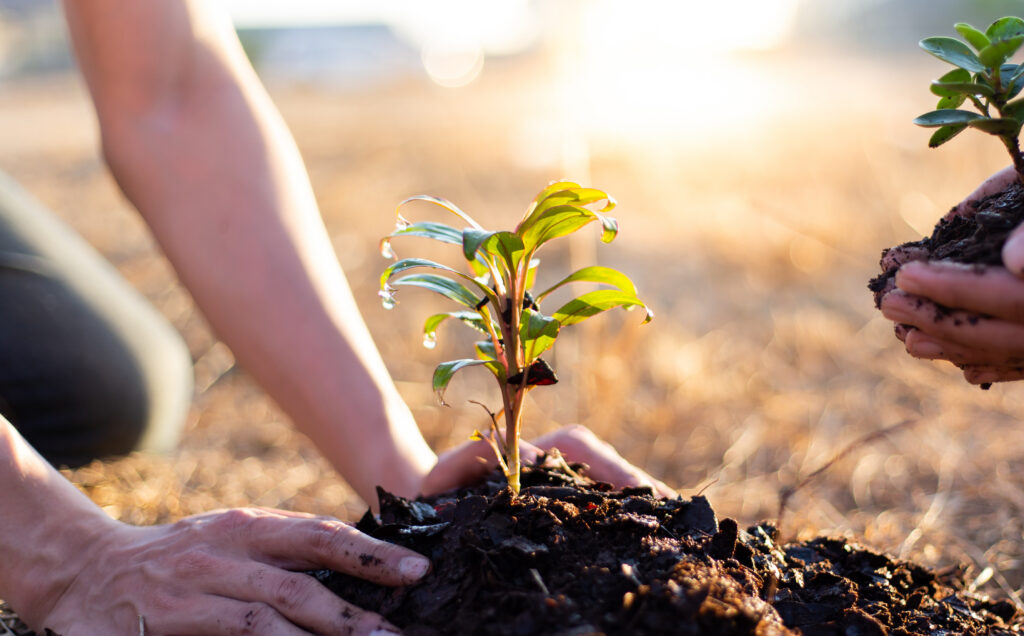
Spring may seem like the natural time to improve a commercial landscape, but many successful spring landscapes begin with work completed in the fall.
For commercial properties in Denver, Colorado Springs and across the Front Range, fall provides an opportunity to repair summer damage, replace struggling plants and address landscape problems before winter. Completing the right enhancements now can give plants time to establish and reduce the amount of corrective work needed when the growing season returns.
Replace Plants That Are No Longer Performing
By fall, it is usually clear which trees, shrubs and perennials handled the season well—and which did not.
Plants may decline because of:
- Poor soil or drainage
- Incompatible sun exposure
- Insufficient or excessive irrigation
- Winter injury
- Repeated pest or disease problems
- Improper placement
- Normal age and decline
Replacing an unsuccessful plant with the same variety may lead to the same result. Instead, consider whether a more drought-tolerant or site-appropriate plant would perform better.
Fall planting can allow new trees and shrubs to begin establishing roots while the soil remains relatively warm. However, new plant material still needs consistent moisture before irrigation systems are winterized and supplemental watering during dry fall and winter periods.
Improve High-Visibility Landscape Beds
Entrances, monument signs, patios and other prominent areas shape how tenants, residents and visitors experience a property. If these spaces looked sparse, overgrown or dated during summer, fall is a good time to rethink them.
Potential improvements include:
- Replacing declining shrubs or perennials
- Adding plants with multiple seasons of interest
- Redefining bed edges
- Correcting overcrowded planting arrangements
- Improving mulch coverage
- Incorporating water-wise plant material
- Preparing beds for future seasonal color
The goal does not need to be a complete redesign. A few targeted improvements in the most visible areas can create a more polished and welcoming appearance next spring.
Correct Irrigation Problems Before Winterization
Dry spots, excessive runoff and uneven plant growth often become more noticeable by the end of summer. These patterns can reveal broken heads, poor coverage, inappropriate zone timing or plant material with conflicting water needs.
Addressing known problems before winterization creates a better starting point for spring irrigation activation. It may also prevent new fall plantings from entering winter without adequate moisture.
If a larger irrigation renovation is needed, documenting the issue in fall gives property managers time to review options and include the work in upcoming budgets.
Address Drainage and Erosion Concerns
Standing water, washed-out mulch and soil collecting on sidewalks are more than appearance problems. They may indicate grading, drainage or irrigation issues that can affect plants, turf and paved areas.
Fall is a useful time to evaluate where water moved during summer storms and irrigation cycles. Depending on the cause, improvements may include adjusting irrigation, redefining bed edges, adding appropriate plant material or planning grading and drainage corrections.
Resolving these problems can help protect landscape improvements and reduce recurring cleanup next season.
Repair Damaged Landscape Walls
Fall can also be a good time to repair retaining walls, seat walls and other landscape structures. After a season of heavy rain, irrigation and soil movement, problems such as loose materials, cracking, leaning or erosion around the base may be easier to identify.
Addressing these concerns before winter can help prevent Colorado’s freeze-thaw cycles from worsening existing damage. It also allows the work to be completed before spring planting and regular landscape activity begin.
Walls with significant movement or structural damage should be professionally evaluated to determine whether the issue is limited to the wall itself or connected to drainage, grading or soil conditions.
Plan Now for a More Successful Spring
Spring schedules fill quickly, and waiting until plants begin growing can limit the time available for planning, approvals and installation.
A fall property walk-through allows landscape managers and property teams to identify priorities while summer performance is still easy to evaluate. Enhancements can then be separated into immediate needs, winter planning projects and improvements to schedule for spring.
Keesen Landscape Management works with commercial property managers throughout Denver and Colorado Springs to evaluate landscape conditions and recommend practical improvements for each site. Contact our team to discuss fall enhancements that can support a healthier, more attractive property next spring.