
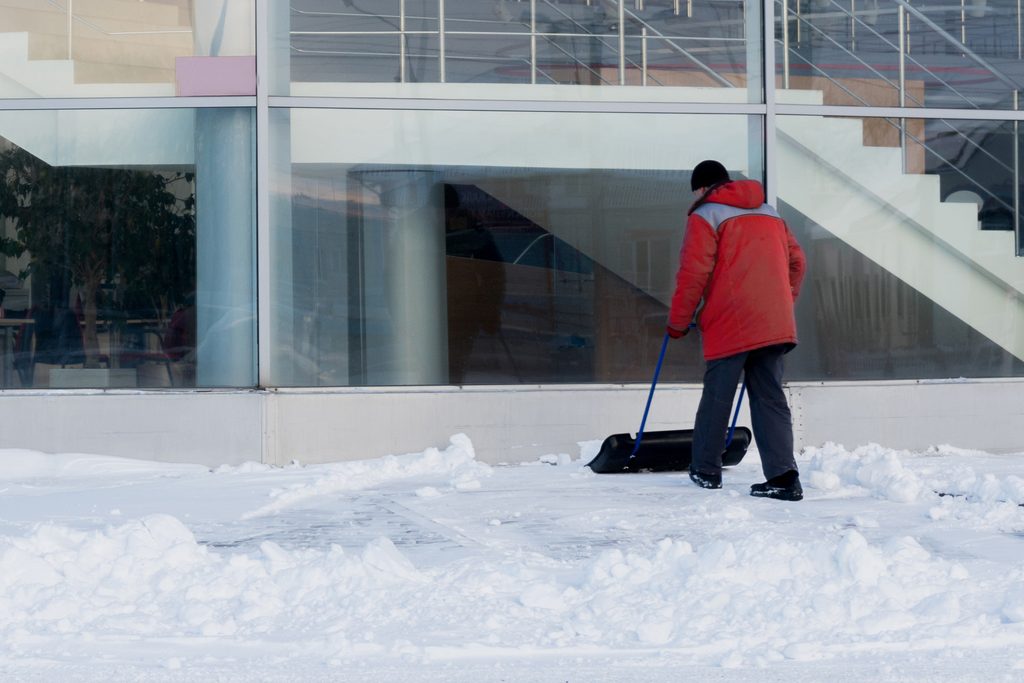
Snow and ice management may not feel urgent during a mild October afternoon, but winter weather can arrive quickly along Colorado’s Front Range. For commercial properties in Denver and Colorado Springs, preparing before the first storm helps protect access, establish clear service expectations and reduce last-minute decisions.
An effective winter plan should reflect how the property operates, where people travel and which areas require the fastest attention. Here are several details property managers should address before snow begins to fall.
Walk the Property Before Winter
Begin with a site walkthrough while pavement, curbs and landscape features are still visible. Conditions that seem minor during dry weather can become more difficult to manage once they are covered by snow.
Look for:
- Cracked or uneven pavement
- Low areas where water collects
- Clogged drains
- Loose curbs or wheel stops
- Damaged handrails
- Overgrown plants near sidewalks
- Low branches that interfere with pedestrian or vehicle access
- Irrigation components located near pavement
- Areas where snowmelt may refreeze
The walkthrough should also identify obstacles that may be difficult for snow crews to see, including raised utility covers, decorative features, parking barriers and the edges of landscape beds. Documenting these features early can help crews understand the property before conditions change.
Identify Priority Areas
Not every part of a commercial property carries the same level of urgency. Before the first storm, determine which areas must remain accessible for tenants, residents, employees, customers, vendors and emergency personnel.
Priority areas may include:
- Main building entrances
- Accessible parking spaces and routes
- Sidewalks and ramps
- Emergency exits
- Fire lanes
- Loading areas
- High-traffic parking sections
- Trash and delivery areas
- Entrances used during early morning or evening hours
Property operations should guide these priorities. A healthcare facility, for example, may have different access needs than an office building or planned community. Special events, shift schedules and delivery windows should also be discussed in advance.
Establish Trigger Depths and Service Expectations
Snow and ice management is not a one-size-fits-all service. A clear plan should define when service begins, which areas receive attention first and what the property can expect during and after an event.
Important details include:
- The snowfall depth that triggers service
- Whether certain areas require service at a different threshold
- Expected service priorities
- Procedures for prolonged or back-to-back storms
- Communication responsibilities
- Approved snow-storage locations
- Materials and equipment appropriate for the site
These decisions are easier to make before a storm than during one. Reviewing them in advance also helps prevent confusion between property teams, occupants and service crews.
Plan Where Snow Will Be Stored
Snow must be moved somewhere, and the location can affect both property operations and the landscape long after the storm ends.
Snow piles should not block entrances, accessible routes, fire lanes, sightlines or drainage paths. They should also be positioned carefully around trees, shrubs and planting beds. Large piles can compact plant material, delay melting and leave concentrated deicing material near the root zone.
Drainage should be part of the decision as well. As snow melts, water needs a clear path away from sidewalks and travel areas. Poorly placed piles can send meltwater across pavement, where it may refreeze as temperatures fall.
Identify primary and backup snow-storage areas before winter. Properties with limited space may need a more detailed approach for large or repeated storms.
Choose Deicing Materials With the Property in Mind
Deicing helps support safer access, but materials should be selected and applied according to the site. Pavement type, temperature, traffic levels and nearby landscaping can all influence the approach.
More material is not necessarily more effective. Excessive application can be tracked indoors, leave residue on hard surfaces and affect turf or plants near treated pavement. A targeted plan should focus on priority areas and use products according to label directions and current conditions.
Property managers should also consider where runoff will travel as treated snow melts. Directing snow and meltwater away from sensitive planting areas can help limit unnecessary landscape exposure.
Complete Important Fall Maintenance
Snow planning works best when it is coordinated with the property’s broader fall preparation.
Before winter:
- Remove leaves and debris from turf, beds and drains
- Complete necessary pruning around walkways and entrances
- Winterize the irrigation system before hard freezes
- Water newly planted trees and shrubs appropriately before shutdown
- Remove spent annuals
- Address drainage problems where possible
- Inspect exterior lighting in pedestrian areas
Leaves and other debris can hold moisture, clog drainage structures and make paved surfaces harder to manage. Completing fall cleanup also makes curbs, bed edges and other site features easier for winter crews to identify.
Create a Clear Communication Plan
Front Range winter storms can change quickly, making communication an important part of the service plan.
Confirm who is authorized to make decisions, how updates should be delivered and who should be contacted outside regular business hours. Property managers should also share information about closures, special events, construction, tenant needs or other circumstances that may affect service.
After major events, review what worked and what should be adjusted. Snow-storage areas, service priorities and communication procedures may need to change as winter progresses.
Prepare Before the First Storm
A strong snow and ice management plan begins well before snow appears in the forecast. By evaluating the property, establishing priorities and defining expectations early, property managers can enter winter with a clearer plan for maintaining safety and accessibility.
Keesen provides commercial snow and ice management for properties across Denver and Colorado Springs, with service plans built around each site’s access needs, trigger depths, response expectations, materials and equipment. Contact us today to begin preparing your commercial property for the upcoming snow and ice season.