
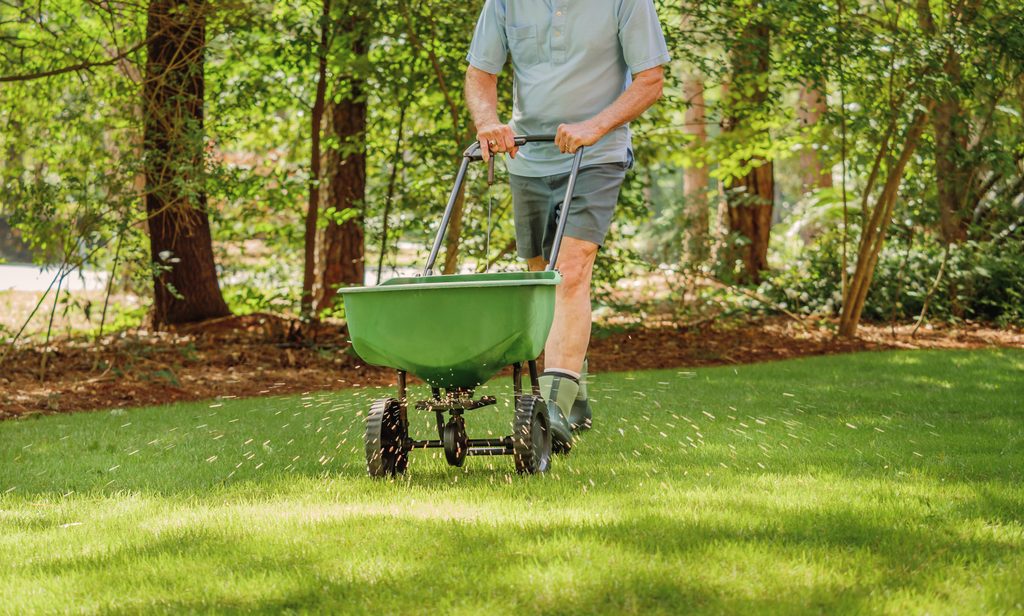
As fall begins, commercial turf across Denver, Colorado Springs and the Front Range may be showing the effects of summer heat, drought, foot traffic and irrigation stress.
While temperatures begin to cool, Kentucky bluegrass and other cool-season grasses enter an important recovery period. Fall fertilization can support that recovery by supplying nutrients when the turf is actively growing again.
However, fertilizer is not a universal solution for every thin or brown area. Understanding what fall fertilization can and cannot do helps property managers make better decisions for their landscapes.
Supports Recovery From Summer Stress
Colorado’s intense sunlight, dry air and high summer temperatures can place significant stress on commercial turf. Areas near sidewalks, parking lots, entrances and heavily traveled routes may look especially thin or discolored by early fall.
When cooler weather returns, healthy cool-season turf can begin recovering. Properly timed fertilization provides nutrients that support this active growth period.
Depending on turf condition and the maintenance program, fall fertilizer may help improve:
- Turf density
- Root and shoot growth
- Recovery from moderate summer stress
- Overall color
- The turf’s ability to store energy before winter
Results depend on factors such as grass species, soil condition, irrigation and the severity of the damage.
Helps Turf Compete With Weeds
Weeds frequently appear where turf is thin, damaged or poorly maintained. Fertilizer does not directly eliminate weeds, but supporting healthy turf can help reduce the open space where new weeds become established.
Fall is also an effective time to address certain perennial broadleaf weeds. As these weeds move energy into their roots before winter, properly timed treatment may be more effective than waiting until spring.
Fertilization and weed control must be coordinated carefully, especially where turf has recently been overseeded. Some treatments may interfere with seed germination or damage young grass, so application timing should reflect the complete turf recovery plan.
Complements Aeration and Overseeding
Fall fertilization is often part of a broader turf improvement program that includes aeration and overseeding.
Core aeration relieves compaction and creates openings that allow air, water and nutrients to move into the root zone. Overseeding introduces new grass plants into thin areas. Fertilization can then support the growth of established turf and, when appropriate, newly developing grass.
These services are most effective when the original cause of turf decline has been identified. Fertilizer will not correct poor irrigation coverage, severe compaction, active insect damage or a turf species that is poorly suited to the site.
Does Not Replace Proper Irrigation
Turf needs adequate moisture to use applied nutrients effectively. If irrigation is uneven or shut down too early, fertilizer alone will not produce the desired recovery.
Before an application, inspect the property for:
- Dry areas between sprinkler heads
- Excessive runoff
- Broken or misaligned heads
- Zones that remain too wet
- Different turf areas receiving the same schedule despite different needs
Regular irrigation runtimes may decrease as temperatures cool, but newly seeded or recovering turf may still need consistent moisture. Irrigation adjustments should account for weather, soil conditions and planned winterization.
The Right Program Depends on the Property
More fertilizer is not necessarily better. Applying nutrients without considering turf needs can waste resources, contribute to excessive growth or create environmental concerns.
The appropriate program depends on:
- Turf species
- Soil conditions
- Irrigation performance
- Summer damage
- Maintenance expectations
- Aeration or overseeding plans
- Current nutrient levels
Soil testing may be helpful when turf problems persist or a property has an unclear fertilization history. It can identify nutrient needs and help prevent unnecessary applications.
Build Fall Fertilization Into a Complete Turf Plan
Fall fertilization can support denser growth, summer recovery and energy storage before winter, but it works best as part of a coordinated maintenance program.
A fall property review can determine whether the turf needs fertilizer, aeration, overseeding, irrigation correction, weed control or a combination of services. That allows property managers to address the causes of poor turf performance instead of relying on a single treatment.
Keesen Landscape Management works with commercial properties throughout Denver and Colorado Springs to develop turf programs based on site conditions and seasonal needs. Contact our team to discuss how fall fertilization could fit into your property’s maintenance plan.