
As the growing season winds down, commercial property managers have an opportunity to evaluate what worked—and what kept requiring attention.
For properties in Denver, Colorado Springs and across the Front Range, recurring landscape problems can point to improvements worth including in next year’s budget. Thin turf, declining plants and repeated irrigation repairs deserve a closer look before another season begins.
A year-end review with your landscape team can help separate routine maintenance needs from projects that address underlying problems.
Start With Problems That Keep Coming Back
A landscape issue that returns each season may need more than another treatment or replacement.
Consider areas where you repeatedly see:
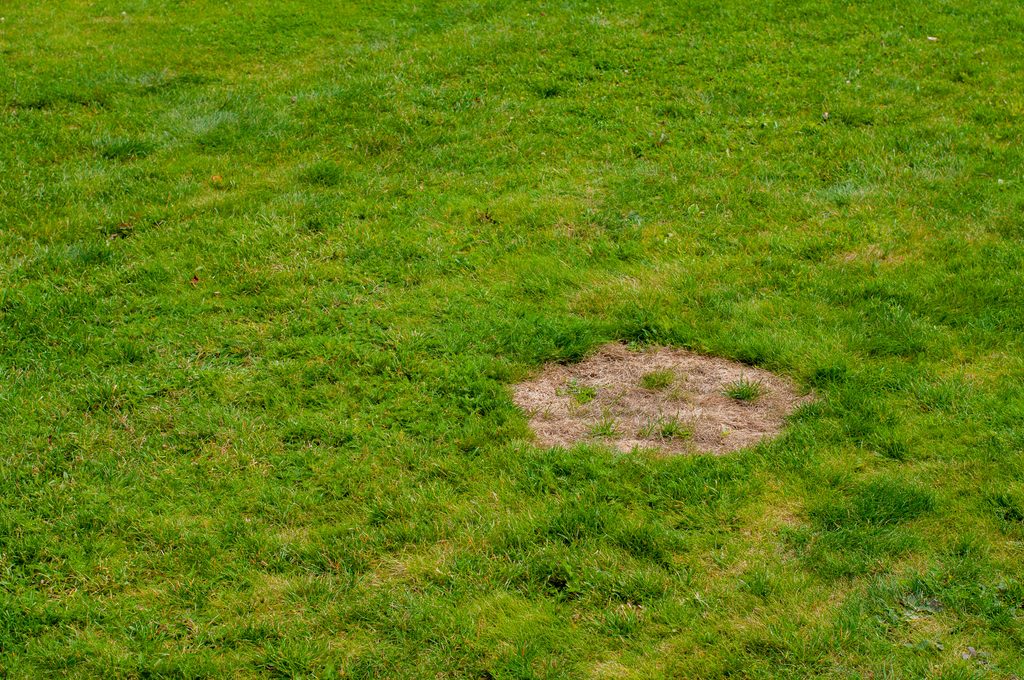
- Thin or bare turf
- Plants that struggle in the same beds
- Standing water after storms or irrigation
- Dry spots beside consistently wet areas
- Soil or mulch washing onto sidewalks
- Overgrown plants blocking signs or narrowing walkways
Document where these problems occur, what has already been tried and how the area responded. Photos and maintenance records can help your landscape team identify patterns and recommend the next step.
Evaluate Struggling Turf Before Budgeting for Replacement
Replacing turf without understanding why it declined can lead to the same problem next year.
Heavy foot traffic, shade, compacted soil and irrigation coverage may all affect performance. A narrow strip beside pavement may also have different needs than a large, open lawn.
Some areas may benefit from changes to maintenance or irrigation. Others may warrant a different landscape approach, such as an adapted planting bed or a designated walking route.
Budget for an assessment first so the proposed improvement fits the site.
Review Irrigation Repairs and Coverage Problems
Repeated irrigation repairs are worth discussing during budget planning.
Ask your landscape team which issues are isolated repairs and which suggest a broader problem. Aging components, poor coverage or zones serving plants with different watering needs may require a coordinated improvement.
Useful questions include:
- Which repairs were repeated this year?
- Are some areas consistently too wet or too dry?
- Have plant changes affected irrigation needs?
- Would targeted upgrades improve system management?
Request a clear explanation of the proposed work and its expected benefit. Any projected water savings should be supported by property-specific information.
Identify Plantings That No Longer Fit the Property
Trees and shrubs change as they mature. Plants that once fit comfortably beside an entrance may now block views, crowd nearby plants or require frequent trimming.
Other plants may continue struggling because their sun exposure, soil conditions or available space do not suit them.
Rather than budgeting for identical replacements, consider whether a different plant or layout would better serve the area. Review mature size, water needs and ongoing maintenance requirements before making a decision.
Give Drainage and Access Problems Appropriate Priority
A tired planting bed and a recurring puddle across a walkway should not automatically receive the same priority.
Areas that interfere with access, direct water toward buildings or repeatedly erode deserve early evaluation. The solution may involve grading, drainage work or coordination with another property contractor.
Your landscape team can help identify concerns and clarify which work falls within its scope.
Build a Phased Improvement Plan
Every project does not need to happen at once. Organize proposed improvements by urgency, property impact and available budget.
A practical plan can distinguish between:
- Issues requiring prompt assessment
- Recurring problems that increase maintenance demands
- Improvements to entrances and other prominent areas
- Longer-term upgrades that can be completed in phases
For each project, request an estimated cost, recommended timing and any follow-up care requirements. This makes proposals easier to compare and helps avoid funding an installation without planning for its upkeep.
Turn This Year’s Observations Into Next Year’s Priorities
The most useful landscape budget reflects how your property actually performed. Reviewing recurring issues now gives you time to investigate causes, evaluate options and schedule work thoughtfully.
Keesen Landscape Management can help commercial property managers in Denver and Colorado Springs identify improvement priorities and develop a plan around their property’s needs.
Contact us today to schedule a landscape walkthrough and discuss next year’s budget priorities.